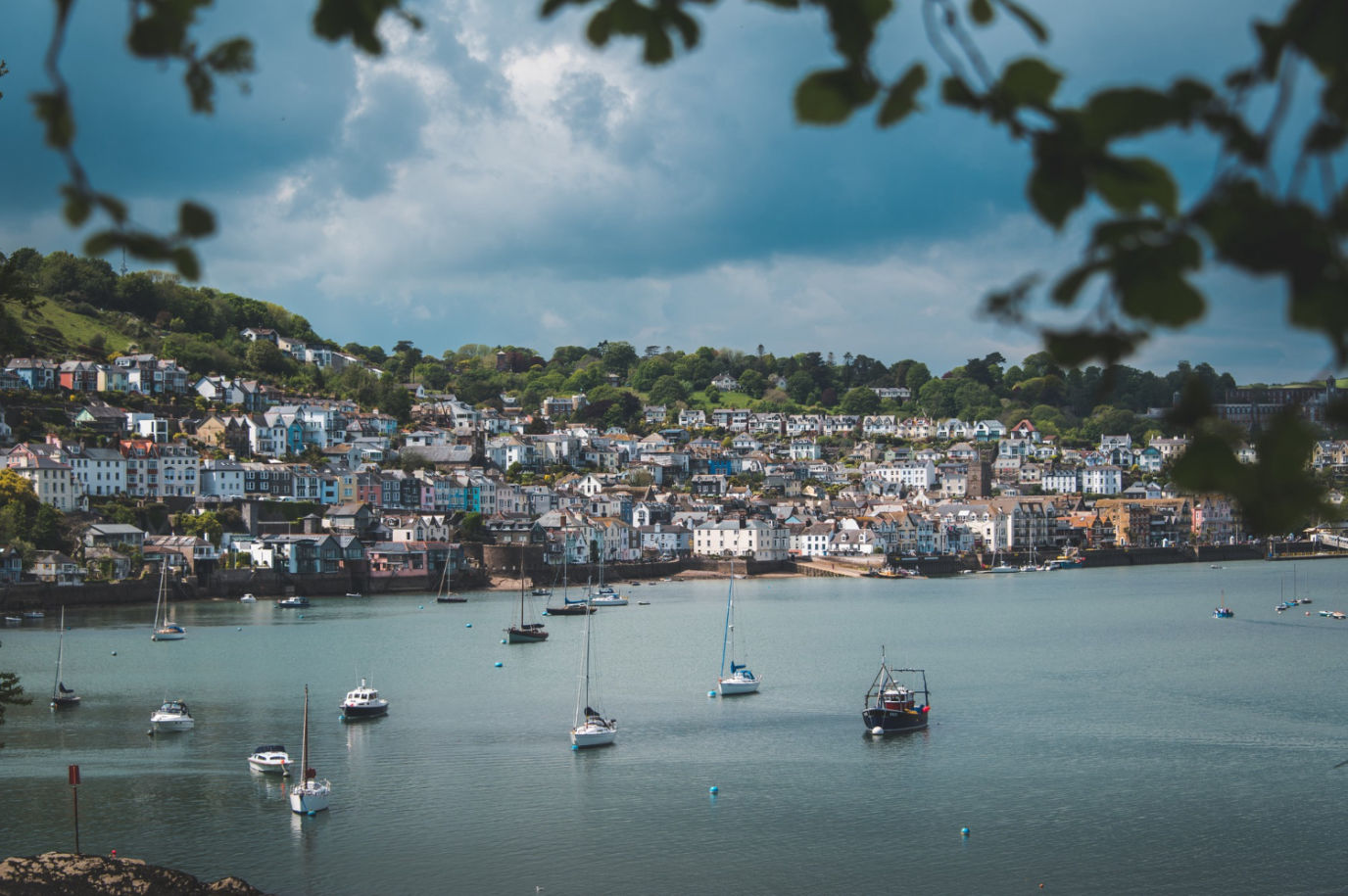
Positano, Italy
Yes, Positano is famous.
Probably over-photographed too.
Still, there’s a reason travelers continue falling in love with it despite the crowds. The town rises dramatically above the Amalfi Coast in layers of pastel-colored buildings clinging to steep cliffs above the Mediterranean.
At sunset, everything glows.
Tiny balconies overflow with flowers while boats drift slowly across darkening water below. Even ordinary walks feel cinematic there.
The downside obviously is popularity.
Summer crowds can become exhausting. But early mornings and quieter shoulder seasons reveal why Positano became iconic in the first place.
It genuinely feels magical sometimes.
Rovinj, Croatia
Rovinj quietly became one of the Adriatic’s most beautiful coastal towns without completely losing its soul.
Located on Croatia’s Istrian Peninsula, the old town rises directly beside the sea with narrow stone streets twisting uphill toward the church tower overlooking the harbor.
The atmosphere feels softer than parts of southern Croatia.
Less rushed.
Fishing boats still dominate sections of the waterfront while small cafés spill onto cobbled streets during warm evenings. Seafood restaurants stay busy without feeling aggressively touristy.
And sunsets here are honestly ridiculous.
Golden light reflects across pastel buildings while the Adriatic turns deep blue behind them.
Cascais, Portugal
Not far from Lisbon, Cascais blends beach life with old-world charm surprisingly well.
What once served as a royal summer retreat now feels like a relaxed Atlantic coastal town balancing elegance and simplicity. Beaches sit within walking distance of historic streets filled with seafood restaurants, bakeries, and tiled buildings weathered by ocean air.
The Atlantic shapes the atmosphere constantly.
Wind moves through the coastline. Waves crash harder than the Mediterranean. Sunsets stretch late into the evening during summer.
And despite growing popularity, Cascais still feels livable rather than overly manufactured for tourism.
That’s becoming increasingly rare.
Nafplio, Greece
Many travelers rush straight toward Greek islands while quietly overlooking Nafplio.
Big mistake.
This small coastal town on mainland Greece combines neoclassical architecture, calm seaside promenades, hidden beaches nearby, and a slower pace than heavily touristed islands.
The old town feels wonderfully walkable.
Balconies covered in flowers lean over narrow alleyways while small tavernas stay open late into warm evenings. Locals gather beside the waterfront long after sunset simply talking and drinking coffee.
No giant party scene.
No cruise ship madness.
Just atmosphere.
Sometimes that’s enough.
Essaouira, Morocco
Essaouira feels completely different from typical beach towns.
Atlantic winds sweep constantly through the old medina while fishing boats painted bright blue fill the harbor below ancient stone walls. The combination of Moroccan culture and ocean scenery creates an atmosphere unlike almost anywhere else.
The beach itself stretches wide beside the town, attracting surfers and travelers looking for slower coastal energy compared to Marrakech’s intensity.
And food matters here.
Fresh grilled fish served directly beside the harbor. Spices drifting through market streets. Mint tea while listening to waves crash against old fortifications.
The town feels textured.
Alive.
Kotor, Montenegro
Technically Kotor sits beside a bay rather than directly on open coastline, but the scenery feels too dramatic to ignore.
Mountains rise sharply above medieval stone streets while calm water reflects everything almost perfectly during early mornings. The old town remains compact enough to explore slowly on foot, which honestly is the best way to experience places like this.
Cats sleep beneath stone staircases. Church bells echo across narrow alleyways.
And despite increasing tourism, Kotor still carries moments of quiet, especially outside peak cruise ship hours.
The surrounding coastline only adds to the atmosphere.
San Sebastián, Spain
San Sebastián somehow balances elegance and beach culture effortlessly.
Located along Spain’s northern coast near the French border, the city wraps around one of Europe’s most beautiful urban beaches while maintaining incredible food culture at the same time.
That combination matters.
Travelers spend mornings swimming, afternoons eating pintxos in crowded old-town bars, then evenings walking along the bay while Atlantic air cools the city.
The beach itself feels integrated naturally into daily life instead of existing separately for tourists.
Locals use it constantly.
That gives the city energy.
Hoi An, Vietnam
Hoi An technically sits slightly inland from the coast, but nearby beaches and riverfront atmosphere make it one of Southeast Asia’s most memorable coastal destinations.
Lanterns glow across the old town every evening while bicycles move slowly through narrow streets lined with yellow colonial buildings. Nearby beaches like An Bang provide quieter escapes from the busier city center.
The town feels relaxed in a way modern cities rarely do anymore.
People sit outside for hours drinking coffee. Tailors work with doors open toward the street. Humid evening air carries sounds from the river.
Everything moves slower.
Coastal Towns Feel Different From Resorts
Large resort destinations often separate travelers from local life.
Beautiful pools. Controlled environments. Carefully designed experiences.
Coastal towns work differently.
They feel messier sometimes. More alive. Travelers interact naturally with fishermen, local markets, old architecture, and daily routines shaped by the sea.
That authenticity creates emotional connection.
People stop feeling like temporary consumers and start feeling part of a place, even briefly.
The Best Coastal Towns Stay With You
Years later, travelers usually remember coastal towns through fragments.
Morning espresso beside a harbor.
Laundry moving above narrow streets.
The sound of boats hitting wooden docks late at night.
Tiny details.
Not major attractions.
That’s why these places remain powerful. They combine natural beauty with ordinary life in ways that feel deeply human.
And honestly, in a world becoming increasingly digital and fast, coastal towns still remind people how good slow living can feel.
Even if only for a few days beside the sea.