Summer beach travel can feel slightly chaotic now.
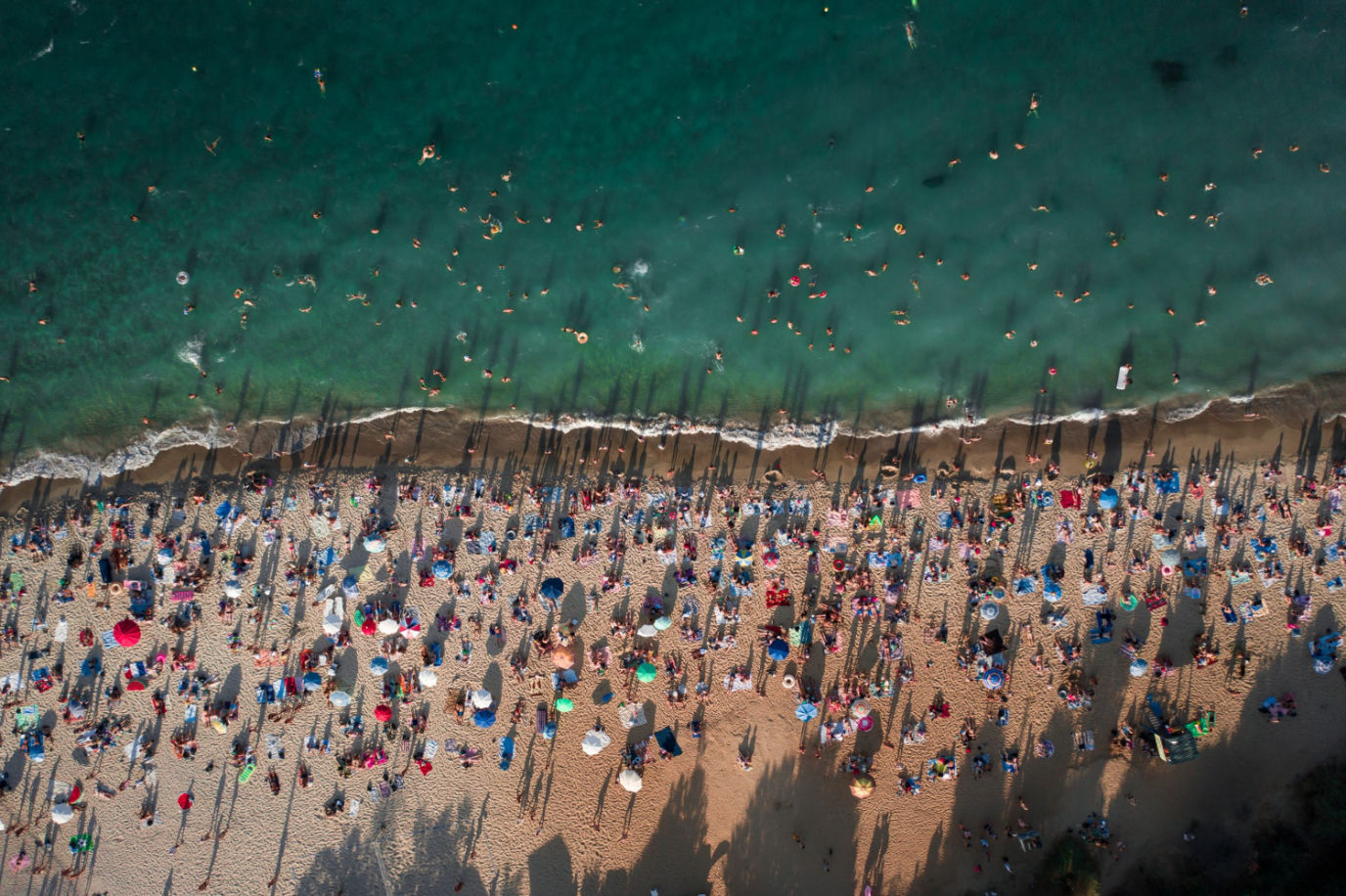
Flights packed. Hotels overpriced. Beach towels placed practically on top of each other before 9 a.m. Travelers wake up early just to “claim spots” on beaches that looked peaceful online a few months earlier.
And honestly, overcrowding changes everything.
Even beautiful coastlines lose part of their magic when thousands of people arrive at exactly the same time carrying portable speakers, selfie sticks, inflatable flamingos, and enough sunscreen to survive the apocalypse.
The frustrating part is that many travelers assume crowded beaches are unavoidable during summer.
They’re not.
Finding quieter coastal experiences usually comes down to timing, flexibility, and knowing how tourism patterns actually work
Stop Traveling Only in July and August
This is the biggest one immediately.
Much of Europe vacations during July and August. Schools close. Companies slow down. Entire countries seem to migrate toward the coast simultaneously.
Naturally beaches become overwhelmed.
But shoulder seasons often offer nearly identical weather with dramatically fewer people.
Late May, June, and September are usually the sweet spots for Mediterranean destinations. Water stays warm enough for swimming while hotels become cheaper and coastlines feel breathable again.
Even famous places like Mallorca, Sardinia, or the Greek islands transform completely outside peak weeks.
Restaurants become calmer. Ferry lines shrink. Sunsets stop feeling like crowded public events.
Timing changes everything.
Wake Up Earlier Than Everyone Else
Most tourists move predictably.
They wake up late, eat breakfast slowly, then arrive at beaches between 11 a.m. and 1 p.m. By afternoon, coastlines feel packed and noisy.
Early mornings tell a different story.
Beaches between 7 a.m. and 9 a.m. often feel almost private, even in famous destinations. The air stays cooler. Water looks calmer. Local fishermen sometimes still work near the shoreline.
And honestly, beaches look better in morning light anyway.
Soft sunlight. Empty sand. Quiet waves.
It feels like seeing a completely different destination.
Walk Slightly Farther
This sounds almost stupidly simple.
But many crowded beaches become dramatically quieter only ten or fifteen minutes farther down the coastline.
Tourists usually stop near the easiest access points. Close parking lots. Main entrances. Restaurants and beach bars.
Walk beyond those areas and crowds thin out surprisingly fast.
Especially on longer beaches.
People are lazy sometimes.
That works in your favor.
Smaller Islands Often Feel Better
Big-name islands attract big crowds.
Mykonos, Ibiza, Phuket, Bali - beautiful places obviously, but tourism pressure has intensified heavily there.
Smaller nearby islands often provide similar scenery without the same level of chaos.
Instead of Santorini, maybe consider Milos or Folegandros. Instead of overcrowded Phuket beaches, smaller Thai islands may feel calmer and more personal.
The experience changes immediately when destinations stop functioning like giant tourism machines.
Everything slows down.
Avoid Cruise Ship Zones
Cruise tourism affects coastal destinations massively now.
Certain beaches become overcrowded almost instantly when ships arrive nearby. Thousands of passengers flood small coastal towns for only a few hours, creating intense but temporary congestion.
Researching cruise schedules actually helps.
Some travelers intentionally visit beaches early before ships arrive or choose coastlines located farther from major ports entirely.
A quiet beach can become chaos within thirty minutes once buses start unloading tourists.
Choose Nature Over Convenience
The easiest beaches to reach are usually the busiest.
That’s just reality.
Hidden beaches requiring hiking trails, dirt roads, boat rides, or longer walks naturally filter out large crowds. Not everyone wants effort during vacation.
Again, good for you.
Some of Europe’s quietest beaches remain peaceful precisely because accessibility stays limited. The same applies in tropical destinations worldwide.
Convenience and solitude rarely exist together anymore.
Skip Viral Destinations
Social media changed travel dramatically.
One viral drone video can transform unknown beaches into overcrowded attractions almost overnight. Suddenly everyone wants identical photos from identical viewpoints.
Travelers chasing quieter experiences should stop relying entirely on trending lists.
Sometimes the best coastal memories happen in places nobody online is aggressively promoting.
Small towns. Lesser-known islands. Random beaches discovered accidentally during road trips.
Not every beautiful place needs influencer approval.
Stay Longer in One Place
Many travelers move too quickly.
Three islands in five days. Constant transportation. Endless checklists.
Slower travel creates better opportunities for finding peaceful moments. Stay long enough somewhere and patterns become obvious. Locals know which beaches stay quieter during certain hours or weather conditions.
Tourists rushing through destinations rarely discover those details.
They only see the crowded version everyone else sees.
Weather Can Work in Your Favor
Funny enough, slightly imperfect weather often creates better beach experiences.
Cloudy mornings, windy afternoons, or cooler temperatures scare away casual tourists surprisingly fast.
Meanwhile beaches remain beautiful.
Some of the most peaceful coastal days happen when skies look slightly dramatic instead of perfectly blue.
And honestly, wild coastlines often become more memorable during changing weather anyway.
The ocean feels alive.
Protecting Beaches Means Traveling Differently
Overcrowding is not just annoying for travelers.
It damages coastlines too.
Pollution increases. Local communities become overwhelmed. Natural ecosystems struggle under tourism pressure. Small beach towns suddenly face rising prices and disappearing local identity.
Travelers avoiding overcrowded destinations are not only improving their own experience. In some ways, they’re helping reduce pressure on heavily exploited coastlines.
That matters now.
Probably more than people realize.
Quiet Beaches Still Exist
Despite everything, peaceful beaches absolutely still exist.
They simply require slightly more curiosity and flexibility than before.
Travelers willing to wake up earlier, explore farther, avoid viral trends, and travel outside peak weeks usually discover coastlines that still feel calm and personal.
And honestly, those quieter beach experiences tend to become the most meaningful ones anyway.
Because beaches were never really meant to feel rushed.
The ocean moves slowly.
Maybe people should too sometimes.